This week Secretary of Health and Human Services Robert F. Kennedy Jr. fired CDC Director Susan Monarez after she refused to accept his vaccination policy, which was based on his belief, rather than on science. Every director since 1953 (not including some interim/acting directors) has been a physician until Susan Monarez, who is a microbiologist. President Trump replaced her with Jim O’Neill, who is neither a physician nor a scientist, but an investor.
Besides picking someone who is completely unqualified to lead one of the most prestigious medical institutions in the world, since his election the CDC has lost thousands of employees and half of its budget. Susan Monarez’s firing prompted four leaders to resign. In August a shooter shot and killed a policeman and fired close to 200 rounds into the CDC headquarters because of his beliefs spurred on by vaccine misinformation. Afterwards Kennedy posted a number of pictures of his fishing trip before commenting on the shooting.
The CDC establishes immunization schedules for children and adults in the United States. But Kennedy, who has been a vocal critic of vaccines for years, fired all 17 sitting members of the CDC’s Advisory Committee on Immunization Practices (ACIP). Even if the replacements were all perfectly qualified, and they’re not, they wouldn’t be able to come up to speed learning the job fast enough to approve upcoming vaccinations, including new COVID-19 vaccinations.
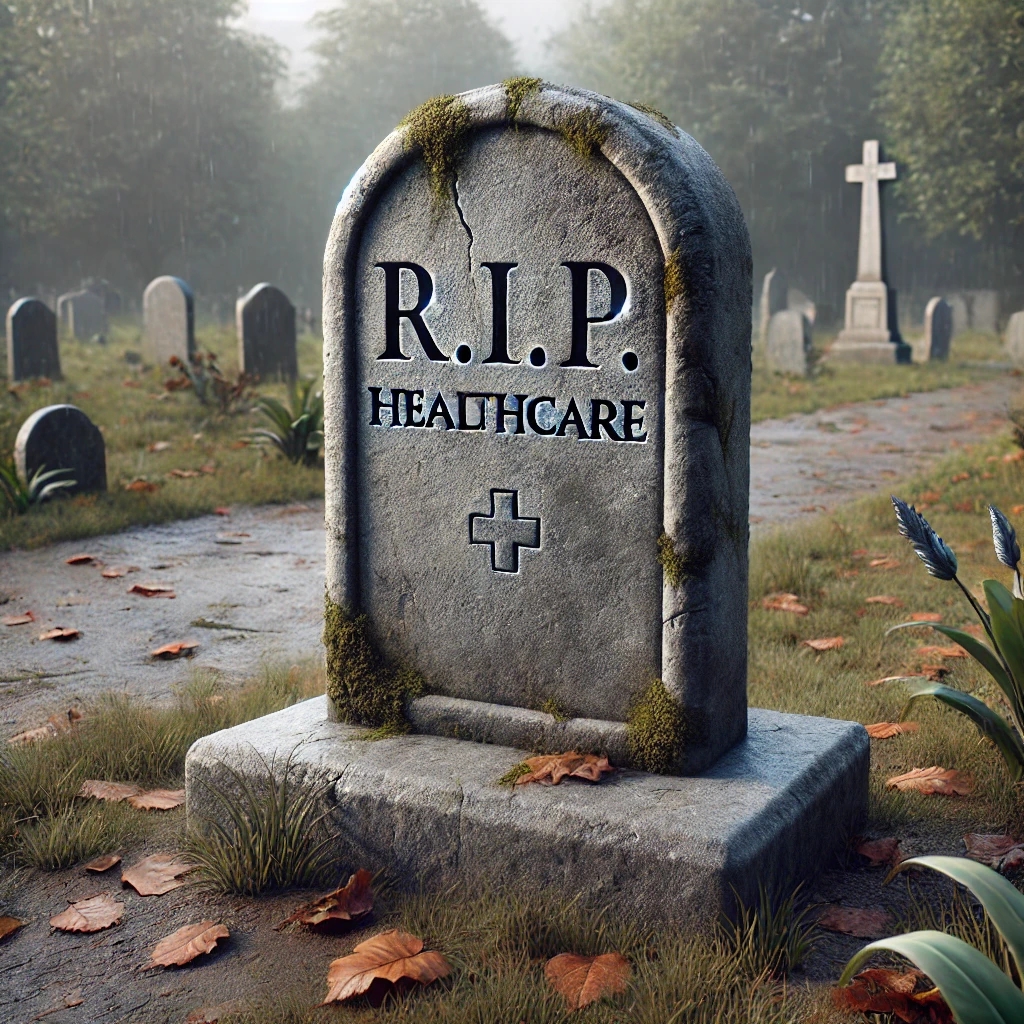
I think the damage done to the CDC, to say nothing about damage to science at universities around the country from withholding research funding, is a crisis for medical science and public health in this country, and indeed in this world, and will probably last at least a decade if not reversed soon.
It’s also causing problems for individual doctors. I have the CDC Vaccine Schedules app on my phone, but I stopped updating it as I don’t fully trust the information anymore. That means for updates I have to look to professional organizations and other sources, and maybe other countries. My older patients, in particular, ask me about getting a COVID booster. I now tell them the FDA just approved a new one to cover recent variants, though limited who could get it, but we need to wait for the CDC to approve it (at least possibly for Medicare/insurance approval and for some pharmacies to stock it). One of my patients cast doubt on whether the CDC would approve it. I told them I figured they would at least need to approve it for those 65-years and older, as congressmen would want to make sure they could get it for themselves. My patient quipped they might then approve it only for those 80-years and older!
In my last post I expressed concerns about healthcare. The concerns have only worsened. This is only some of the issues, and almost every day I put off finishing this article something else would come along.
PEPFAR – On the first day of his second term President Trump cancelled funding for PEPFAR ? Between 2003, when the program was signed into law, until 2024, it’s credited with saving about 25 million lives. AIDS was fatal for almost everyone who was infected with HIV forty years ago but starting in the 1990s treatments became available that turned it into a manageable chronic disease. It’s estimated that 20 million people had their treatment cut off without warning. Such a system of care cannot just be replaced immediately, even if there was another source of funding. In just South Africa alone it was calculated that the funding cut would lead to 565,000 new infections, life expectancy would decrease by 3.71 years, and deaths would increase by 38%. Not only might we have up to a million people die per year from untreated HIV, interrupting treatment increases the risk of developing drug resistant HIV, and that can spread to the whole world. The United Nations agency that fights HIV announced they are cutting their employee count in half due to funding cuts, with the U.S. funding 40% of their activities in 2023. They estimated that if funding is not restored more than 6 million additional people could die from AIDS in the next 4 years, and an additional 2,000 people a day could become infected with HIV. Just in the US it can end up costing more than we saved by the funding cuts, not to mention the inhumanity of it.
Food Safety Checks – According to the U.S. Public Interest Research Group Education Fund there was a 41% increase in food recalls for possible contamination by E. coli, salmonella, and listeria in 2024 compared with 2023. Food born illness increased by 20% and related hospitalizations and death double. But as a result of staff cuts at the Department of Health and Human Services, the Food and Drug Administration (FDA) has suspended its quality control program for food testing laboratories.
Food Security – The government agency responsible for running Meals on Wheels, among other things, is being dismantled by Health Secretary Robert F. Kennedy Jr. It also funds programs at senior centers and independent living.
Withholding Research Funds – The Department of Health and Human Services announced that they were going to cut funding for the Women’s Health Initiative, a ground breaking study that has been ongoing since 1990 and that has been following tens of thousands of women. Fortunately they reversed their decision a day later after a loud outcry. The National Institute of Health (NIH) had funded research on almost every drug on the market here. They announced they would invest $500 million dollars to study a universal vaccine using old, traditional technology. This will come at the expense of research on mRNA vaccines, which created the highly successful COVID-19 vaccines. This technology allows vaccines to be made much more quickly, important for future pandemics, and has been shown to increase survival in pancreatic cancer, an may cure chronic and genetic diseases, such as Type 1 diabetes and multiple sclerosis.
Preventive Health Research – Despite Robert F Kennedy Jr proclaiming he would Make America Healthy Again, President Trump recently proposed cutting the budget almost in half for the Centers for Disease Control and Prevention. Last month 2400 jobs were cut from the National Center for Chronic Disease Prevention and Health Promotion. That includes programs for lead poisoning prevention, HIV, firearm injuries, smoking cessation, preventing cancer, heart disease, diabetes, Alzheimer’s, epilepsy and Alzheimer’s disease, and for states to deal with public emergencies and things like blood pressure screening. The proposed budget would also cut the Eliminating the Office on Smoking and Health. It’s hard to see how that will make use more healthy.
Infection Control – The Trump administration shut down the Healthcare Infection Control Advisory Committee (HICPAC) that helps set national standards on controlling infections in hospitals, including hand washing, mask use, and isolating sick patients. The current recommendations date back to 2007 and an update was being prepared.
World Health Organization – President Trump issued and executive order withdrawing the United States from the WHO. It takes year for it to be fully implemented, given that countries have to give notice first, and it could be reversed by congress, but this will hurt global health and can affect us in the event of another pandemic or other medical issues.
Measles – Thanks to low vaccination rates we are experiencing a measles outbreak. There have been over 880 cases in the US this year as of late April. Two doses of MMR vaccine is 97% effective in preventing measles, and we need at least 95% of people to be vaccinated to prevent additional outbreaks. Yet in the 2023-24 school year only 92.7% of kindergartners were vaccinated. If that rate persists it’s estimated we’d have more than 850,000 cases in the next 25 years. If it drops 10% more then we could expect more than 11 million cases in the next 25 years. But if we increased the rate by 5% then we’d only have about 5,800 cases in that same period. That should be a no brainer, yet Robert F Kennedy Jr has only given lip service to promoting vaccination and has talked about the value of vitamin A and other non-effective treatments.
Silicosis – This is a deadly lung disease that affects people who work with silicon, including miners and people who fabricate and install artificial-stone kitchen countertops. From closing Occupational Safety and Health Administration (OSHA) and Mine Safety and Health Administration (MSHA) offices, to firing Coal Workers Health Surveillance Program (CWHSP) and National Institute for Occupational Safety and Health (NIOSH) staff, more people will develop silicosis, and they won’t get diagnosed until their disease has progressed even more, if they get diagnosed at all.
Surgeon General – After withdrawing his initial nomination for surgeon general due to her providing misleading or incorrect credentials, he has nominated Dr. Casey Means, despite that she has not compleated a residency, sells supplements on her website, and has expressed vaccine skepticism. For a position that oversees the U.S. Public Health Service (USPHS) Commissioned Corps and provides “Americans with the best scientific information available on how to improve their health and reduce the risk of illness and injury,” we can do better.
Opioid Drug Deaths – At the same time the CDC announced significant progress is decreasing drug overdose deaths, their opioid surveillance programs may get a $30 million funding cut per preliminary budget reports.
PFAS – The Environmental Protection Agency (EPA) announced that they will be scaling back rules on limiting some PFAS, or per- and polyfluoroalkyl substances, virtually indestructible chemicals, in drinking water. They are associated with some cancers, decreased fertility, developmental delay in children, and metabolic disorders. It doesn’t sound like the EPA is protecting the environment.
One small positive is that the Agriculture Department is fast-tracking state requests to remove candy and soda pop from coverage under the Supplemental Nutrition Assistance Program (SNAP), otherwise know as food stamps.
With the new Trump administration there has been a flurry of activity that does not bode well for healthcare. Not all these things may come to pass, but I’ll comment on some of them.
Federal scientific meetings were cancelled, and federal health officials were told to refrain from all public communications, including publications and speaking engagements, until approved by a presidential appointee or designee. It includes email lists and social media posts. It prevented the C.D.C from publishing the Morbidity and Mortality Weekly Report on 1/23/25, that was to include information on the spreading bird flu affecting poultry and cows, as well has humans. It prevented meeting, such as advisory committees on health issues, and funding for research at the National Institute of Health (NIH). Scientific and medical information should be managed by scientists and medical professionals, not politicians. That didn’t work out well at the beginning of the COVID-19 pandemic, when political messaging took precedence, and advice was rendered that led some infected patients to drink bleach. That lesson doesn’t seem to have been learned.
There was a haphazardly announced (and probably illegal) federal funding freeze that at least temporarily (until parts were rescinded or blocked by a judge) affected such things as Medicaid, funding for doctors and nurses at Veteran’s Administration (VA) hospitals hired to start in February (some who had already moved their families), VA suicide prevention lines, disaster relief to places such as Los Angeles (fires) and North Carolina (floods), and medical research.
Robert F. Kennedy Jr. has been nominated to be the Secretary of Health and Human Services. Although he has some views about food that I might agree with, there are many reasons he is completely unsuitable for the job. Over the years he has repeatedly questioned the safety of vaccines, including measles and polio. These are devastating illnesses that we rarely see nowadays, thanks to vaccines. At a talk in November he said 48% of (American) teens are diabetic. It’s less than 1% at that age. He also seemed to mix up pre-diabetes, which is brought on by diet, with juvenile (Type 1) diabetes, that is not. He falsely said that the flu shot does not prevent hospitalizations and that it increases the risk of spreading it to others. He falsely said the pertussis vaccine (part of Tdap) causes brain injury.
Two days ago the administration ordered health organizations in other countries to stop distributing HIV medications purchased with U.S. aid. This was part of a freeze in PEPFAR overseen by the State Department. This program has been estimated to have saved 25 million lives worldwide. Besides the importance of being a good global citizen, it indirectly benefits U.S. citizens. The less cases in the world, the less likely Americans will get infected one way or the other. If patients go off HIV medications temporarily, it increases the risk they will develop drug resistant HIV, which could then spread worldwide. Providing such a benefit is soft diplomacy that buys good will and decreases the chances that other countries that are not friendly to us will be able to influence them. When countries do poorly, they are also more like to develop terrorists. Yesterday the administration at least temporarily allowed the distribution to resume.
There have been a number of initiatives that adversely affect transgender people, including healthcare.
Did I leave anything out? That’s just a little over the first week!
On 4/18/22, a federal judge in Florida struck down the CDC requirement of wearing masks on trains, planes on domestic flights, and other public transportation. This came less than a week after the Centers for Disease Control extended the mask mandate through 5/3/22. Immediately a number of airlines, including Delta and Alaska, announced that they were removing the requirement.
She made this ruling before a hearing was held, and nationalized the ruling rather than limiting it to the plaintiffs who had filed the case. In addition the mandate was probably going to go away in 2 weeks in any case.
Who was this federal judge? It was Kathryn Kimball Mizelle, appointed for a lifetime position at the age of 33 by President Trump, despite that she had never tried a case, and the American Bar Association rated her as, “Not Qualified.”
Just because she had the power to make this ruling, doesn’t mean she’s right. Of course when it comes to the law, I’m even less qualified than this judge, but from a medical point of view, we’re still in a pandemic. I, for one, will continue to wear a mask in an airplane, at least for a while, even if it’s just to avoid the common cold.
You probably recently read in the news something about aspirin recently, and maybe you’re wondering if you should stop taking it, or you went ahead and already did. I know lots of my patients have been asking me.
The article by the U.S. Preventive Services Task Force talks about the use of aspirin to prevent heart attacks and strokes. They said for primary prevention (meaning to prevent a first heart attack) they recommended shared (between patient and their doctor/provider) decision making for starting aspirin in 40 to 59-years-olds with a 10% or greater risk of having a major heart event (such as a heart attack) in the next 10 years who do not have increased bleeding risk. They recommended not starting aspirin in those 60 and older who have less than a 20% risk.
There are a number of key points.
This is a draft recommendation. There is a public comment period and changes will be made before it’s finally published, probably in 6 or more months.
The recommendations only apply to starting aspirin.
The recommendations do not apply to people who have previously had a heart attack or stroke.
They make no recommendations about stopping aspirin other than considering stopping at 75 years old for primary prevention.
For patients who have had a heart attack, stroke, or peripheral artery disease (blocked artery to one’s arms or legs), the benefits of aspirin generally outweigh the risk of bleeding.
The decision to use any medication is always a balance of the benefits versus the risks (and sometimes the cost). Why the change in recommendations? Well in part we generally get progressively better as we accumulate more scientific information. But probably in this case it’s more due to treatment changes. When the original recommendations came out to use aspirin for primary prevention we did not have very good treatment for the conditions that cause heart disease, particularly cholesterol. With improved treatment, there is less incremental benefit from aspirin, yet the bleeding risk remains. That may shift who we should treat.
For now, I’m not recommending any changes before the final recommendations come out. Aspirin was first recommended for primary prevention over a century ago! If taking aspirin was that risky we’d have known there was a problem long ago. I don’t think there is any reason to make any rushed decisions unless someone is having a problem with aspirin.
So you if you are already on aspirin and doing fine on it, and your next appointment to see your doctor will be within 9 months or so, I suggest considering not even asking your doctor until your next appointment. That gives time for the final report to be published, and time for your doctor to consider the information. That’s better than making a decision based on a headline.
I recently received my second of two COVID-19 vaccinations, which happened to be from Pfizer/BioNTech. Although it’s a big relief, and I’m much better protected now, it doesn’t mean it will change much that I do for a while. Let me explain why.
Vaccines don’t act right away. The way they work is to prepare your immune system to recognize something that is bad for you, so if it arrives your body is ready to attack it. But it takes time to do this. Imagine you’re running a race and someone is trying to chase you down before you can cross the finish line to safety. The faster they are, the more head start you need. What makes a bacteria or virus faster, besides the basic nature of it, is how much of a head start it has, which is basically how much of it you’re exposed to. It’s an over simplification, but supposed the virus doubles every 6 hours and you initially breath in 10,000 virus particles. After 5 days you’d have about 10 billion of them. After one more day you’d have close to 168 billion, a massive increase. So you have to have enough of a head start that the virus can’t grow to the point of overwhelming you. Every day after your initial vaccination is that much more of a head start.
Another way to look at it is to imagine you body is a village and a company of hostile enemy soldiers shows up. They would quickly overrun and capture the place. But suppose these soldiers were not not yet nearby but you knew they might attack. You’d have time to enlist people to provide more security, train them what the enemy looks like, and set up additional lines of defense. Then if they were to attack it’s likely you’d successfully fend off the attack, though you might be a little worse for wear as a result. But if they attacked with a larger force, such as a battalion, they could still overwhelm you.
So you can think of getting a vaccine as giving you a greater head start, or having more bodyguards. That should protect you from most situations, but you still wouldn’t want to run the risk of getting a massive exposure, or perhaps being someone who didn’t develop a good response to the vaccine. So wearing a mask, maintaining distance, etc. all minimize the risk. We don’t know yet how much exposure it would take to actually get someone sick if they have been vaccinated with sufficient time to be fully effective, so my concern now is just theoretical, but there are other reasons to remain cautious, particularly until the number of cases in one’s community falls significantly.
For one thing, the vaccine was 95% effective in the studies. That’s impressive, but it still means 1 out of 20 were infected sufficiently to have symptoms. For another, we don’t know if vaccinated people can subsequently get infected and not have symptoms, but be capable of spreading it to others. Finally, people who have not yet been vaccinated may feel anxious, or resentful, seeing people who are not wearing masks.
Some of my patients have told me they are concerned about the vaccine, and some of have even decided they just won’t get it. Let me address some of the concerns. One worry is the vaccine was rushed and they don’t know if they can trust it. Although it was rushed, it was mainly from everyone working longer hours than usual, companies prioritizing the research and production, and governments willing to promise to buy vaccine before before approved, with the risk that they could have spent billions on something that would never be used. The FDA did approve it before having longer term studies than usual, but given the risk of not being vaccinated, it was the right thing to do.
Although sore arms and flu like symptoms are relatively common, particularly after the second dose, serious reactions are very rare. You shouldn’t look at the risk without considering the context. Without a vaccine you have a high chance of getting infected. Those infected have a relatively high risk of serious complications, including death, particularly if older, or have various medical conditions. Those at the lowest risk of getting COVID-19 or getting significantly sick, will be the last to get it the vaccine, which means they will have the benefit of there being more experience with it. Even if you are not worried for your yourself, getting vaccinated is good for the community. We need to get a high proportion of the country vaccinated to reach herd immunity so the virus can no longer take off. Unfortunately there have been a lot of misinformation spread about the coronavirus pandemic, and politicization about it, but that doesn’t mean that these are not excellent vaccines.
I’ll have to see what happens, but between having been vaccinated, and the pandemic probably being much better controlled, I hope that I’ll finally be able to take a real vacation by this fall.
Under Operation Warp Speed, the government agreed to pay vaccine makers to produce vaccines ahead of approval to remove some of the financial risk, and get the vaccine produced as quickly as possible. It included a contract with Pfizer and its German partner, BioNTech, to produce 100 million doses of vaccine. Since each person requires two doses, that would be enough to vaccinate 50 million people.
As just reported by the New York Times, the Trump administration passed up the opportunity to buy additional doses late this summer, preferring to rely on other vaccines, having made 6 contracts to hedge their bet.
On 11/11/20 the European Union announced a deal to purchase 200 million doses from Pfizer/BioNTech, and the option to buy an additional 100 million doses. They said they may not be able to produce more for the United States until June as they now have other contracts. President Trump just issued an executive order prioritizing distribution to Americans, but I don’t think that is likely to have the force of law behind it.
Moderna has also applied for emergency approval of their vaccine. They said they expect to produce 85 to 100 million doses for the United States in the first quarter of next year. That would be enough for up to 50 million people.
So far that would get us enough to vaccinate up to 100 million people in this country by the end of March, assuming the companies are able to produce it at that rate. To put that in perspective, that’s only about 1/3 of the population. In addition, producing enough vaccine is only half the story. It then has to be distributed, and injected into people’s arms, which is a difficult challenge.
The Trump administration said that they turned down the option to purchase more vaccine because they are counting on other vaccines. Although they may come through, it seems like it was a big missed opportunity. The worse case scenario would have been we had more vaccine than we needed (well the worst would be that it turned out that the vaccine was either not effective or not safe). Think of the good will we could have earned by donating millions of doses, at a cost of only $39 to give two doses to each person. That’s a small price to pay to prevent a lot of illness, death, and damage to the economy.
Big changes are coming to patients ability to see their medical information.
Starting this month, federal rules will require that all laboratory tests, including pathology reports, imaging, and progress notes be immediately released to patients, with rare exceptions. In March of 2020 the Office of the National Coordinator for Health Information Technology published the “21st Century Cures Act” final rule that requires providers and others to not engage in, “information blocking” by interfering with the use of electronic health information. The idea of patients being able to readily see their charts is known as Open Notes.
Traditionally doctors (and nurse practitioners) notes were considered to be their property. They were paper charts, and if they sold their practice, the chart would go with it. Although they would send copies to other treating physicians, they wouldn’t necessarily give patients a copy if they requested, and they might charge copying costs.
Although ownership status legally varies by state, and is ambiguous and debated in a number of places, in practice nowadays, usually the actual chart, whether it’s paper or electronic, is considered to belong to the physician/practice, but the information belongs to the patient. That information is not always readily available to patients, particularly notes. In the case of test results, even when available through patient portals, there is often a delay. For better or worse, this will be mostly going away.
On the positive side, overlooked abnormal tests are more likely to be caught by patients, they will be able to see their results sooner, and they may better understand their condition and expectations by reading the notes about their visits.
On the negative side, there are all kinds of things that can go wrong. Let’s start with test results. At my institution we’ve had a delay set for tests, with different delays depending on the test. Over time we’ve shorted the time on many of them as we became comfortable with the process. For example, things such as blood counts and chemistry tests (kidney function, cholesterol, etc) would get released shortly after midnight. Other tests, such as pathology tests, have been delayed 14 days. That gives the person who ordered it a chance to contact the patient before they see the results online.
As a patient, would you prefer to find out that you have cancer by having your physician or nurse practitioner call you, or talk to you when you come in for an appointment, or to find out online without putting the information in context (“You’ve got mail!”)?
In some cases physicians can warn patients to get them prepared, such as informing them that although they think a breast lump is probably benign, it may turn out to be cancer, and tell them what will happen if that’s the case. But besides that they may not have time to always do this, some times the results are unexpected. For example, someone may have no symptoms but they get a routine chest x-ray to make sure it’s alright before they undergo certain surgical procedures. It could show signs indicating probable metastatic cancer, and the report that comes back to them electronically may be how they find out.
As a physician I worry about getting overwhelmed by patient requests for information regarding tests they’ve seen online. Already many ask about abnormalities that are not clinically significant, such as a low LDL cholesterol or a high HDL (both of which are generally good). I often say that abnormal doesn’t mean good or bad, just that it’s outside the normal range. I’ve had several patients starting taking calcium as a results of misinterpreting a report when they saw a low “LDL (calc)” not realizing that “calc” is just an abbreviation of calculated, and not calcium.
Patients being able to read progress notes causes even more anxiety. Even though patients already can request copies of their records, in most cases they don’t. If we do get a request we have a chance to contact them if we’re concerned about something they may read.
Besides the concern that questions will generate more work for me, I worry more about patients misinterpreting the notes. When someone comes in with various symptoms, physicians come up with a differential diagnosis, meaning the different things that might cause those symptoms. For example, if someone has a cough, it could be bronchitis, pneumonia, asthma, reactive airway disease due to reflux (heartburn), or lung cancer, among other possibilities. Those possibilities are often included in the note for several reasons. It helps the writer organize their thoughts, and reminds them what they were thinking if they (or someone else) later looks back at the note. It also provides protection against malpractice lawsuits. It’s less egregious to treat lung cancer with an antibiotic if you write that you think it’s unlikely that the patient has cancer and more likely it’s just bronchitis. Many things we may include on our differential are rare, but patients may worry if they read them.
Another concern I have about notes is information that patients may find embarrassing or otherwise uncomfortable. It may include information pertaining to domestic violence, drug use, or sexual function. Although the new law allows one to not release a particular note, it’s expected that it will be used minimally, and there are significant penalties for doing so unless you can justify that it would cause significant patient harm. I think this will lead people to modify how they write their notes, sometimes resulting in notes that are less useful for those writing them. Doctors and other providers can learn to write notes in ways that patients will better accept, but it will take practice, and won’t always be possible. Unfortunately it’s not clear if the law is retroactive, so even notes written 20 years ago may be available to be read, though currently my institution won’t do that, though the legal advice went back and forth on it (thanks, Congress, for making that perfectly clear!).
Many physicians and other medical providers who have already voluntarily gone to automatically sharing their notes have said that most people find out that despite their fears, in practice it has not been an issue. I hope that’s the case.
No, I’m not talking about Ayn Rand’s novel, though there are parallels.
The United States is now heading into its third wave of SARS-CoV-2 coronavirus cases, which is the cause of COVID-19. With over 8 million cases diagnosed, increasing by over 56,000 per day, and over 220,000 deaths, our top scientists are being silenced and bad mouthed by President Trump and his administration.
So whose advice is President Trump listening to? That would be Dr. Scott Atlas, who has said that masks don’t work, and that quickly spreading the disease to develop herd immunity would be a good thing, shrugging off the idea that herd immunity that did not come from a vaccine would come at the cost of potentially millions of deaths.
At a town hall Savanah Guthrie pointed out that Dr. Atlas is not an infectious disease expert (or an epidemiologist for that matter) but Trump said, “Look, he’s an expert. He’s one of the great experts of the world.” He’s a neuroradiologist, so I’ll grant him expertise in MRI images of the neck, but he should not be influencing how we deal with this pandemic. I wouldn’t want Dr. Fauci or Dr. Birx to be responsible to interpret an MRI, and we shouldn’t want Dr. Atlas affecting how we manage this pandemic.
When a patient leaves the hospital against the recommendation of their doctor, whether it’s to return home, or to go out for a smoke, it’s called leaving against medical advice, or AMA.
Yesterday President Trump left the hospital briefly so he could see his supporters on the streets near Walter Reed Hospital, where he has been hospitalized for COVID-19. In my book, he left AMA.
Not only did he needlessly put at risk the Secret Service agents who drove him around, but he put his own health at risk. If he is sick enough to get put on remdesivir, which is only approved by the FDA for emergency use, an experimental antibody cocktail that has only been approved for experimental use and was authorized on a compassionate basis, and the steroid dexamethasone, which was only found to be beneficial in those requiring mechanical ventilation or oxygen, then he is sick enough to remain in the hospital until he is ready to leave.
I attended the Uniformed Services University of the Health Sciences (USUHS) medical school, where part of my training was at Walter Reed National Military Medical Center. One of the things taught us was that contrary to what you might expect, generals often get worse care. The example given was a doctor skipping the prostate exam he would otherwise do so as not to embarrass the colonel, potentially missing a prostate cancer. Although nowadays the value of a routine prostate check is debatable, the lesson was correct. It applies more so to this president, who may be at risk of being overly treated, and those around him not insisting strongly enough that he follow doctor’s orders.





 World's Best Site - Thoughts on Medicine and Other Topics